GW GW Plastering& Rendering
Lime Plastering & Rendering

Lime Plastering & Rendering for Devon's old walls

Breathable lime plaster and render for cob, stone and period properties, the right finish for old walls that need to breathe, not the modern materials that trap damp and cause problems.

Why old walls need lime

Devon is full of cob, stone and solid-wall properties, cottages and farmhouses that were built to breathe. Put the wrong material on them and you do real, lasting damage.

Old walls handle moisture differently. Cob and solid stone walls naturally take on and release moisture through the seasons. They were built to breathe, to let damp move through and evaporate away rather than sealing it in. Lime plaster and render work with that, staying breathable so the wall can do its job.

Modern materials trap damp. Seal an old cob or stone wall in hard cement render or gypsum plaster and you trap moisture inside it. That's when you get damp patches, blown plaster, salt staining, rot in timbers and slow damage to the fabric of the building. It's one of the most common, and most expensive, mistakes made on old Devon properties.

Lime is softer and more forgiving. Lime flexes slightly with the natural movement of an old building instead of cracking against it, and it's gentler on original stonework and cob than rigid modern mortars. On the right property it is simply the correct material, tradition aside.

We do both internal lime plastering and external lime rendering across Devon. If you've got an older property and you're not sure whether lime is what you need, we'll look at what the wall's actually made of before reaching for whatever's quickest.
The lime work we do

Internal and external lime, on the properties that genuinely need it.

Internal lime plastering

Breathable lime plaster to internal walls and ceilings of cob and stone properties, keeping the wall able to breathe while giving you a sound, characterful finish ready for a breathable paint.

External lime rendering

Traditional lime render to the outside of solid-wall and cob properties, weather protection that still lets the wall release moisture, rather than sealing damp in behind hard cement.

Cob wall repairs

Making good damaged cob and re-plastering with lime, sympathetic repair that respects how the original wall was built rather than patching it with the wrong material.

Stone property finishes

Lime plaster and render suited to Devon's older stone cottages and farmhouses, keeping the finish appropriate to the age and construction of the building.

Replacing failed cement

Taking off hard cement render or gypsum that's trapping damp in an old wall, and replacing it with breathable lime, often the fix for persistent damp problems on period homes.

Lime or modern plaster?

Not sure if your property needs lime? We'll look at the wall's construction and tell you which it needs. No upselling a traditional finish where a modern one would do.

Lime vs modern plaster

This is not a cosmetic choice. It decides whether an old wall stays dry.

Breathability. Lime is vapour-permeable: moisture passes through and evaporates. Cement and gypsum are far less breathable, so on a solid wall they hold damp in. On a modern cavity-wall house that doesn't matter, on an old solid wall, it's the whole game.

Flexibility. Old buildings move a little, all the time. Lime accommodates that gentle movement; hard cement resists it and cracks, and those cracks then let water in behind the render, the worst of both worlds.

Sympathy to the building. Lime is softer than the cob or stone around it, so any stress goes into the lime rather than the historic fabric. Hard cement is the opposite. It can pull original material away with it when it eventually fails.

None of that means lime is "better" everywhere, on a modern block-built house, a silicone render like K-Rend is the right call. It is about matching the material to the wall you have actually got.

How a lime job runs

Roughly how a lime job goes.

Look at the wall

We look at the property's construction and condition, confirm lime is the right choice, and talk you through what's involved. Send a few photos over WhatsApp to get started.

Preparation

Old failed render or loose material carefully taken back, and the wall prepared so the lime has a sound, appropriate surface to key into.

Applied in coats

Lime is built up in coats, with each one given time to cure properly before the next. This can't be hurried, rushing lime is how jobs fail, so the timeline is longer than modern plaster.

Finished & left to cure

The final coat finished to suit the property, then left to fully cure. We'll advise on breathable paints and aftercare so the work lasts.

A recent internal lime job

A full internal lime re-plaster on an old Devon cottage, start to finish.

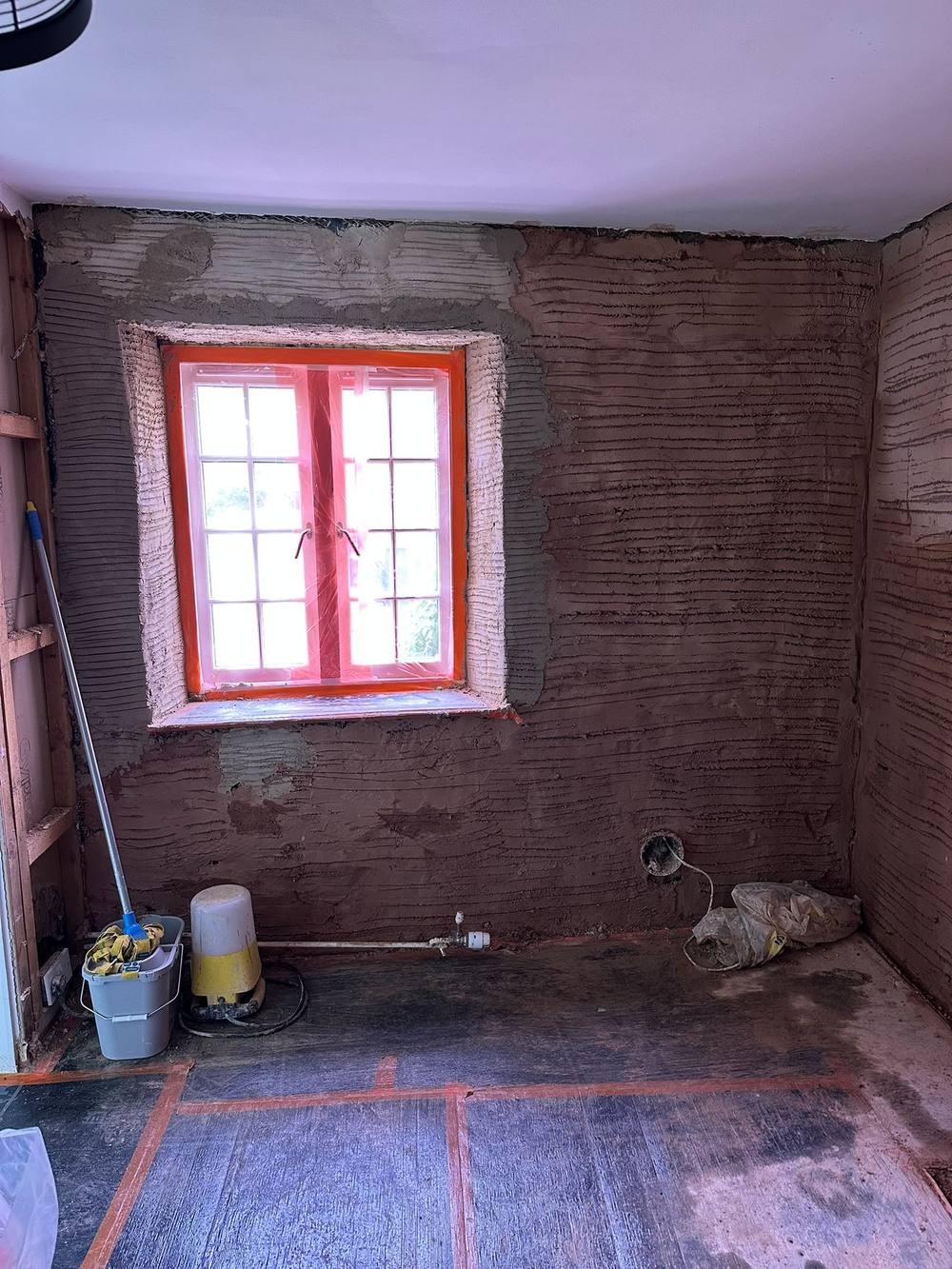
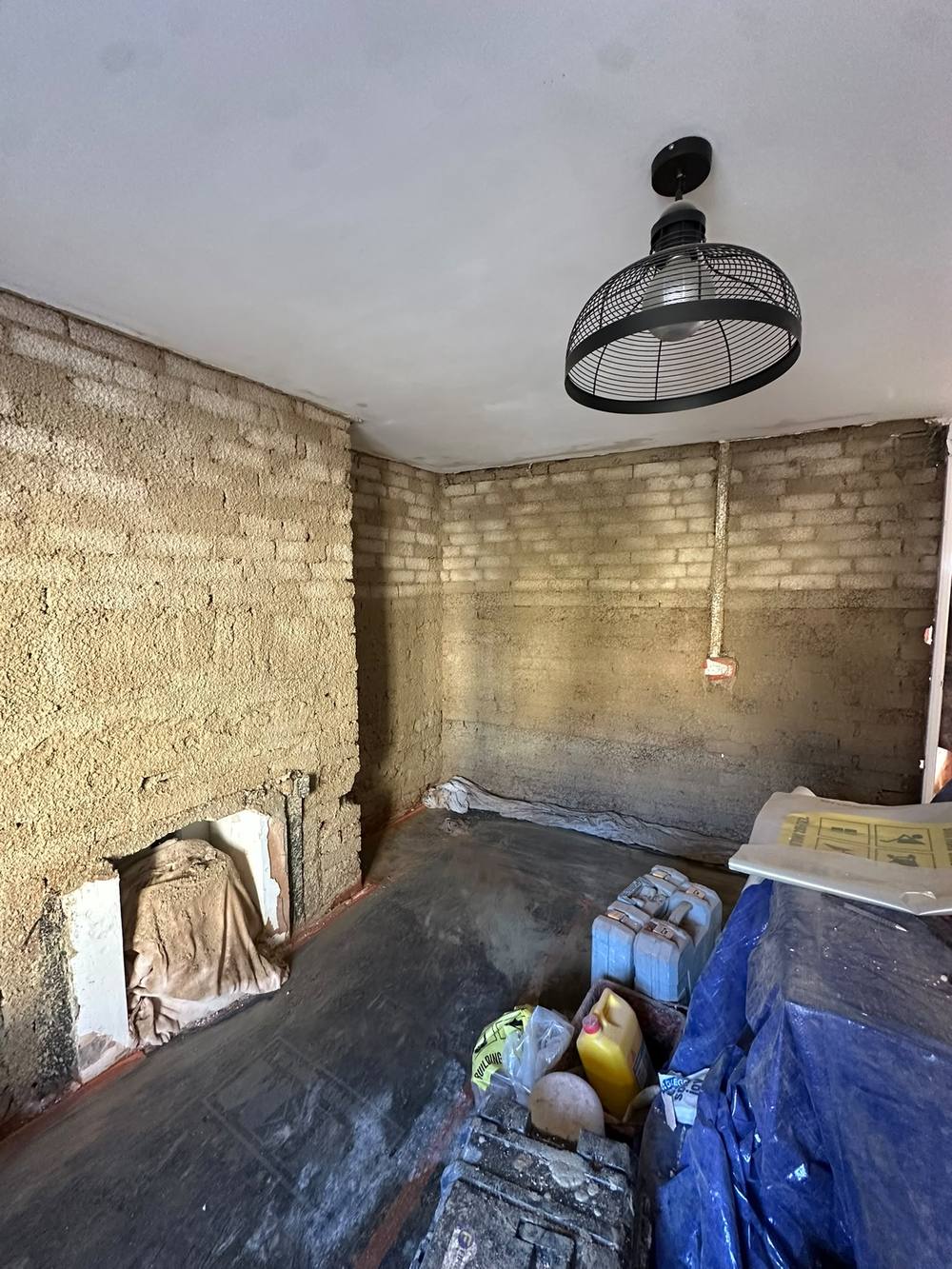
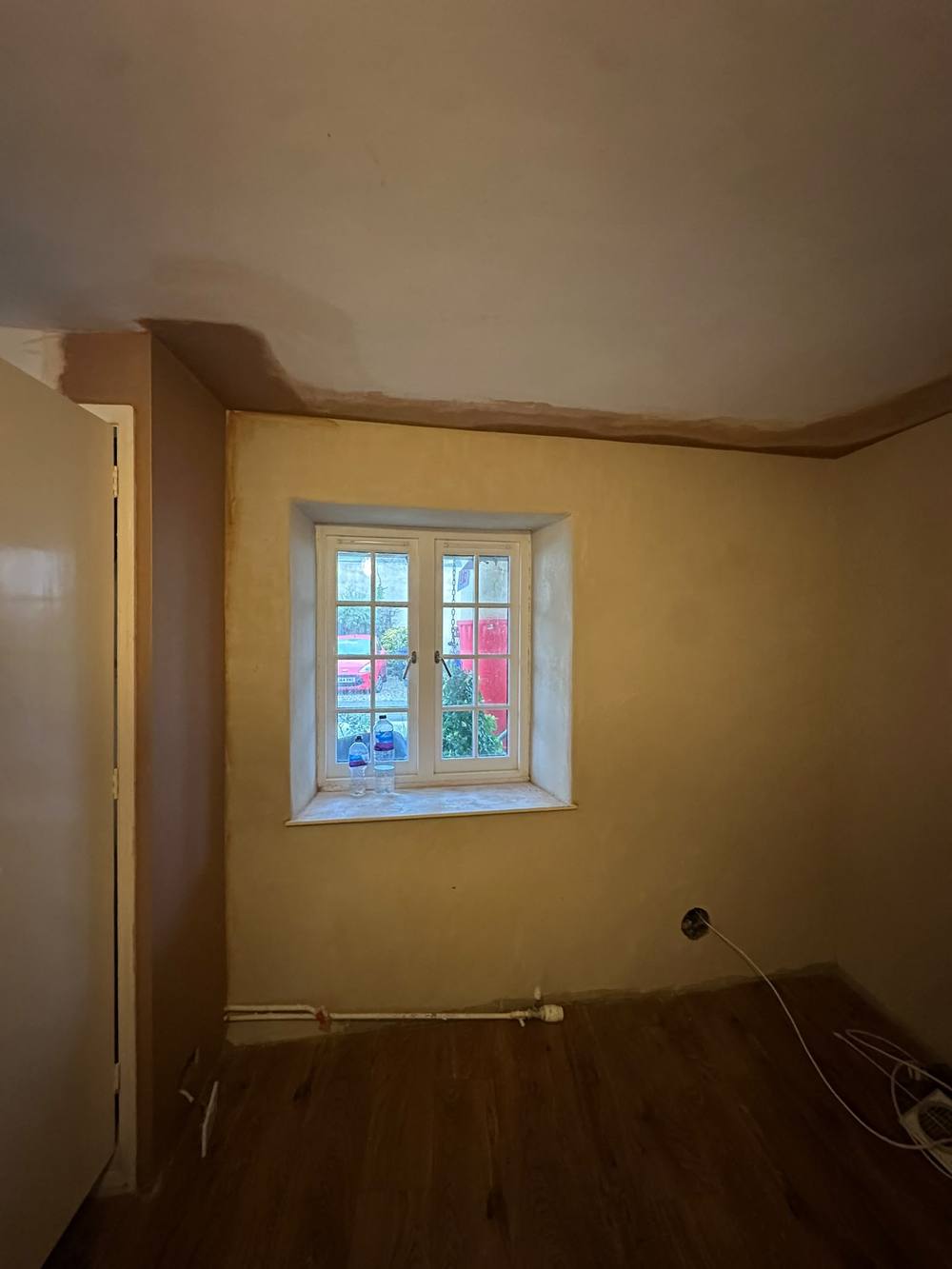
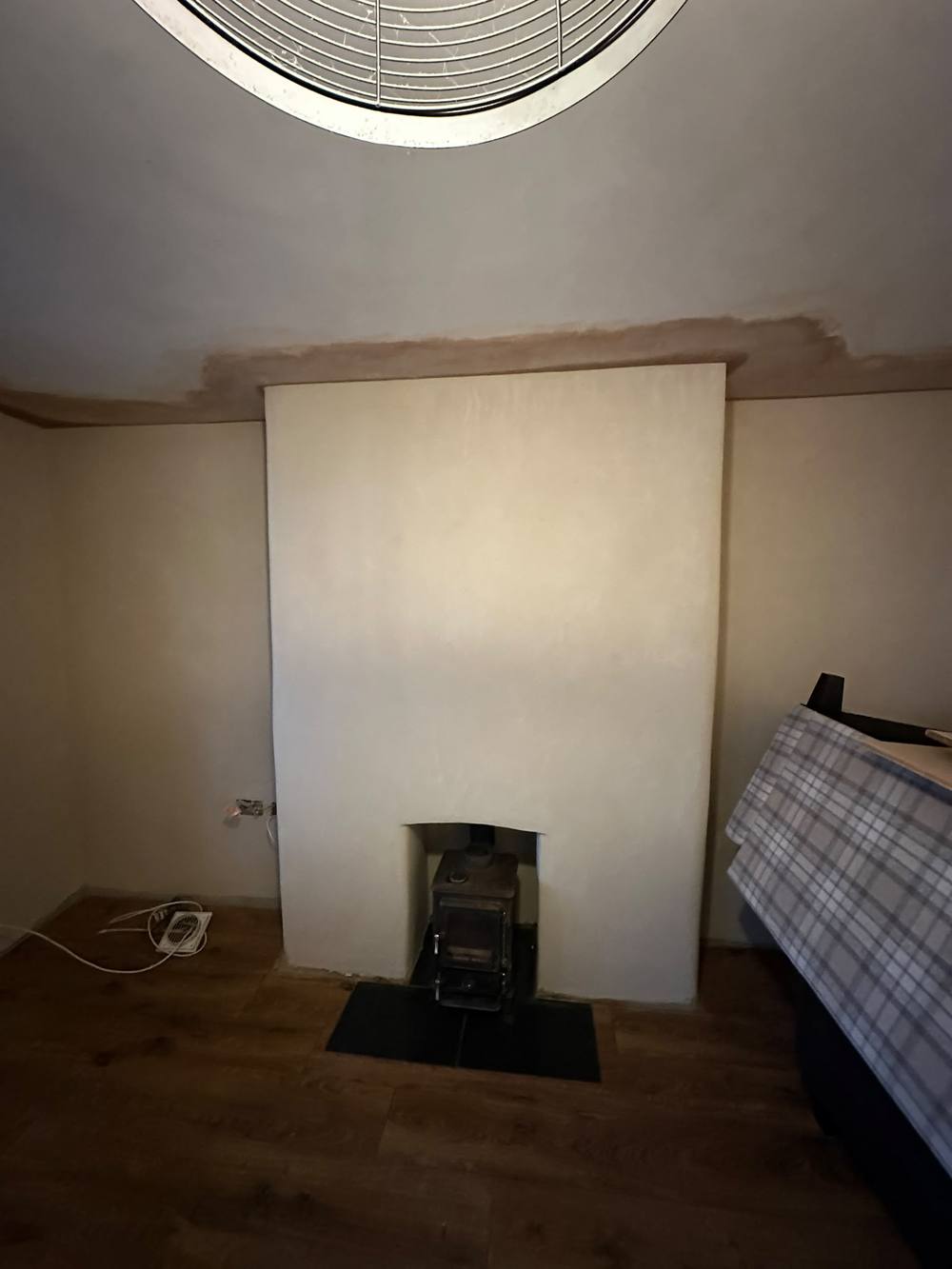
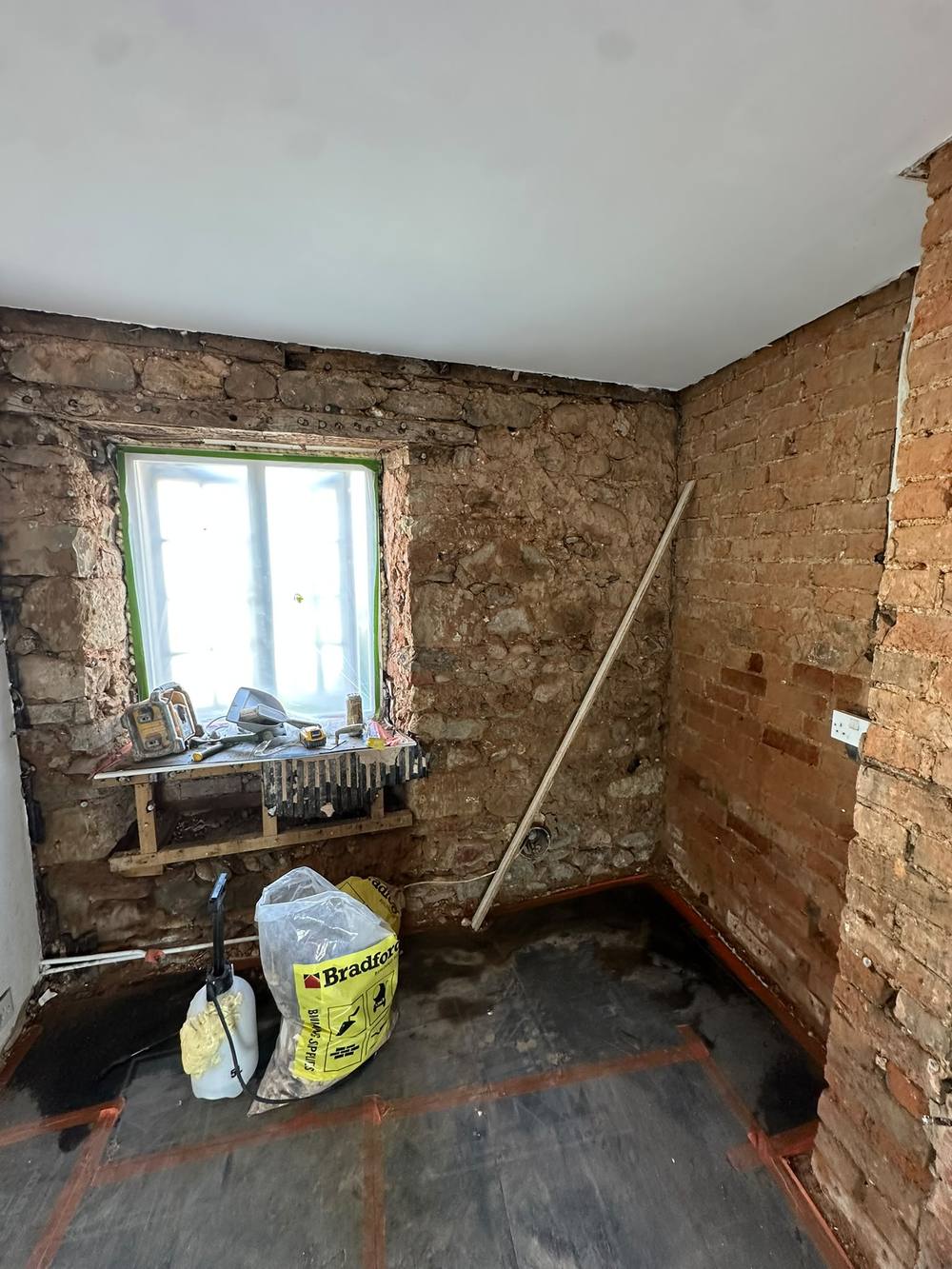
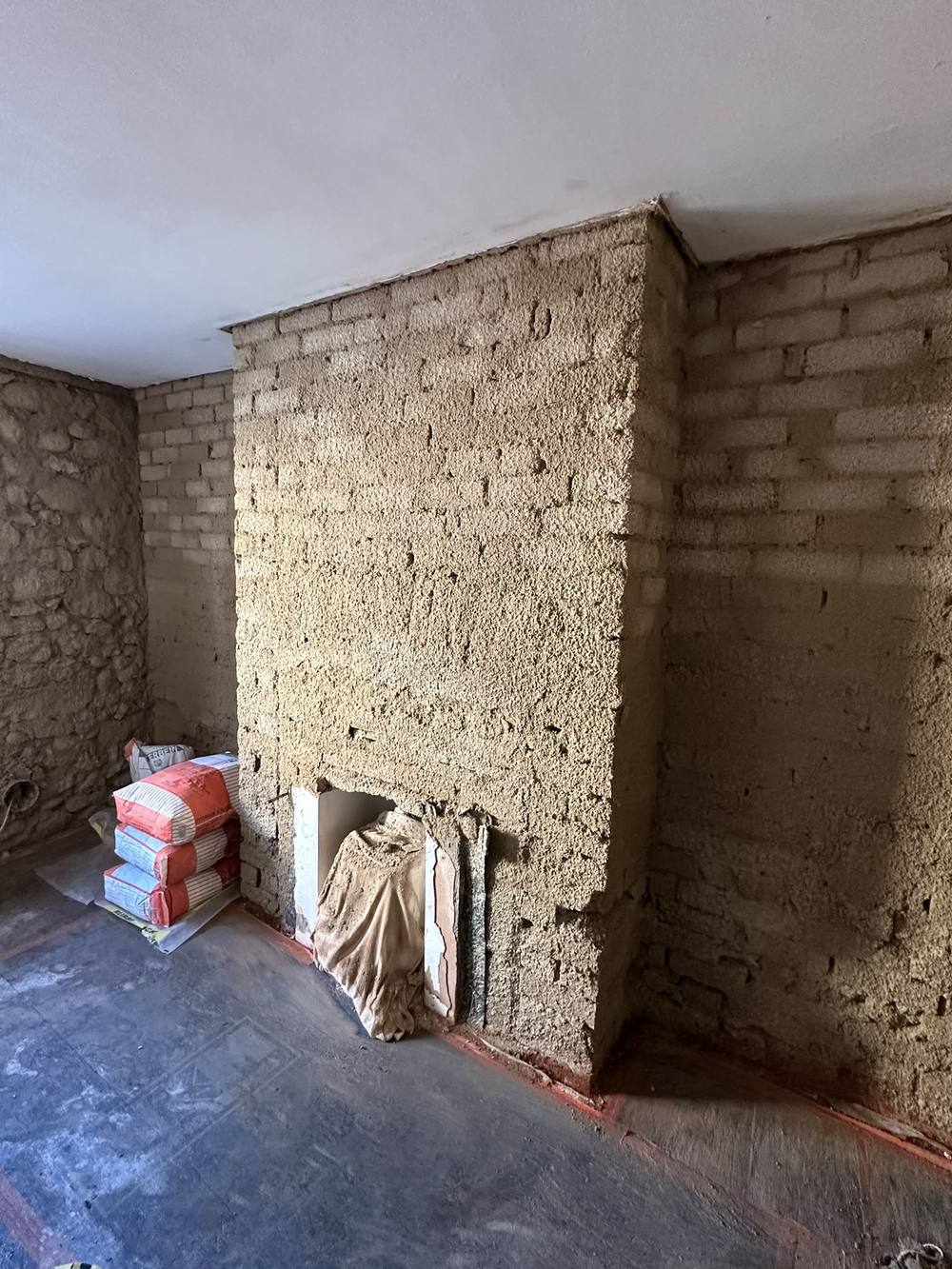
The old failing plaster was hacked off back to the original cob, stone and brick, then built back up the proper way, a harl coat thrown on to key into the wall, multiple scratch coats combed and left to cure between passes, and lime top coats floated to a smooth finish. No gypsum anywhere near it, so the walls can breathe again. Slow work, and the only right way to plaster a wall like this.

Old cob and stone walls hacked off back to bare stone in a Devon cottage Lime harl and scratch coat applied to a chimney breast Lime scratch coat combed around a cottage window ready for the next coat Lime scratch coats curing on cob and stone walls Finished smooth breathable lime plaster in a Devon cottage Lime plastered chimney breast finished around a log burner

Lime questions

Worth a read first: how cob walls work and why cement render destroys them, what actually causes damp in old Devon houses, and, if your place is listed, what consent you need before anyone touches the walls.

How do I know if my property needs lime?

As a rule of thumb, older solid-wall properties, cob, stone, anything built before cavity walls became standard, are usually best in lime. If your walls are thick and solid rather than a modern cavity build, lime is very likely the right choice. We'll confirm after looking at the wall.

Why not just use normal plaster or cement on an old wall?

Because modern gypsum plaster and hard cement render are far less breathable. On a solid old wall they trap moisture inside, which leads to damp patches, blown plaster, salt staining and damage to the wall's fabric over time. Lime avoids that by staying breathable.

Is lime more expensive than modern plaster?

It's typically more involved, lime is applied in coats and needs time to cure between them, so a job takes longer than modern plaster and that's reflected in the price. But on the right property it prevents damp problems that are far more costly to put right later. Every job is quoted individually.

My old render is cracked and damp, can lime fix it?

Often, yes. A very common problem on Devon period properties is hard cement render trapping damp in the wall. Taking that off and replacing it with breathable lime lets the wall dry out and can resolve persistent damp. We'll assess whether that's what's going on before recommending anything.

Can you do internal lime plastering as well as external?

Yes. We do both internal lime plastering to walls and ceilings, and external lime rendering. On an old property it often makes sense to keep both breathable for the same reasons.

Do you cover my area?

We cover the whole of Devon, Exeter, Crediton, Tiverton, Exmouth, Newton Abbot, Okehampton, Cullompton and the villages in between, where a lot of Devon's older cob and stone properties are. If your town isn't listed, ask anyway.

Lime work across Devon

Covering the whole county, including the villages where Devon's older cob and stone properties are.

Modern property instead? See our rendering and K-Rend pages →

Lime, or a modern render?

If your walls are cob, stone or solid brick, lime is the answer and modern render will cause you problems. If you're not sure which you've got, our comparison of render types spells out the differences, and why sealing an old wall is such an expensive mistake.

What does lime work cost?

Lime costs more than modern plaster. There's a good reason for that.

It's slower

Lime goes on in several coats with weeks of curing between them. You can't rush it and you can't force it, the work takes as long as it takes.

It's skilled

Far fewer plasterers can work lime properly. It behaves differently to gypsum and it's unforgiving if you get it wrong.

Cheap lime quotes are a warning sign

If a lime quote looks suspiciously low, it's often cement with a bit of lime in it. That will wreck a cob wall, and you won't find out for a couple of years.

The wall dictates the job

Old cob and stone walls are never square, never flat and never the same twice. Some need building back up before anything else happens.

Season matters

Lime doesn't like frost and it doesn't like baking heat. Timing the work right is part of doing it properly.

It's the only right answer

On a listed building or a cob cottage, modern render isn't a cheaper option. It's a mistake that costs far more to undo.

Every old building is different. We'll come and look properly, tell you what the wall actually needs, and give you a fixed price for it.

Not sure if you need lime?

If the walls are cob, stone or solid brick, they need to breathe, and modern plaster will cause you damp problems. Here's how to tell what you've got: do I need lime plaster or normal plaster?

There's now a second breathable option

Lime has always been the only render safe on an old solid wall. Cork render is the modern alternative, fully breathable like lime, but it also insulates and goes on far quicker. Worth knowing about before you decide.

Got an old property?

Send us a few photos of the walls over WhatsApp and we'll tell you whether lime is what you need, with a free quote.

Call us WhatsApp